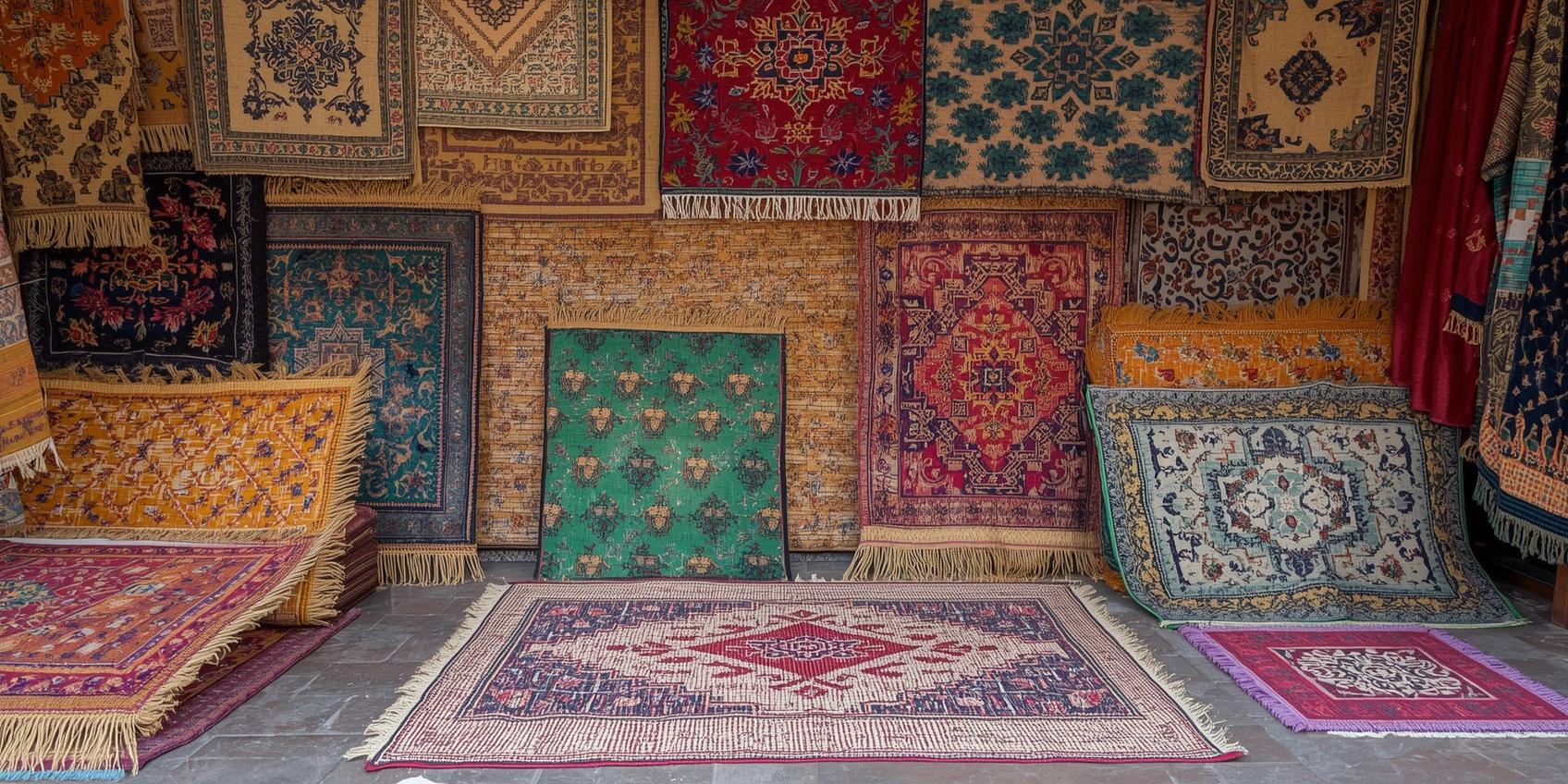
Woven from the reeds of Eastern India's wetlands — natural, breathable, and made to last.
Cultural background
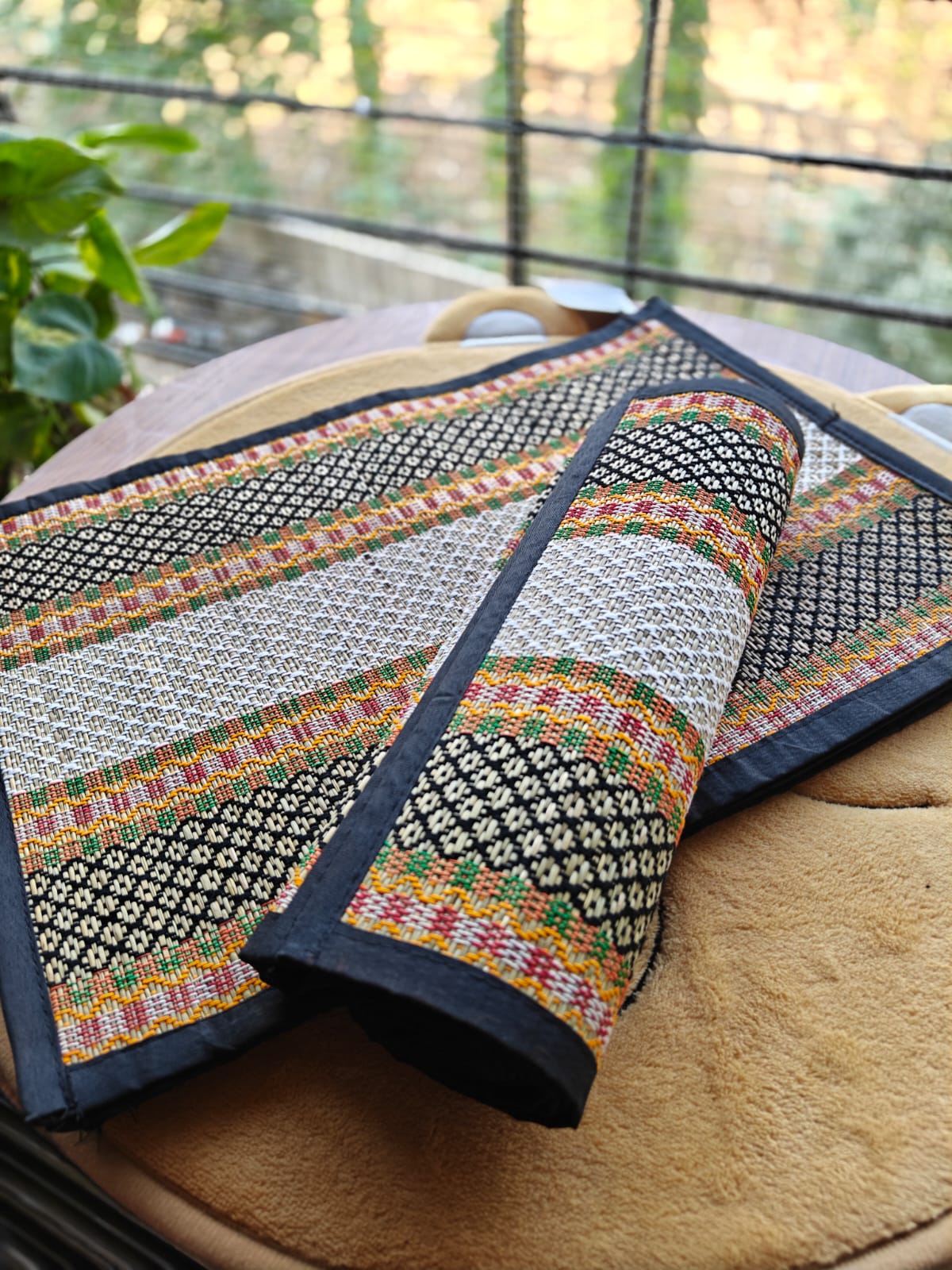
Madurkathi (madur kathi) is a reed that grows in the marshlands of Eastern India. For generations, weavers have harvested it, dried it, and woven it into mats that are used for sitting, sleeping, and prayer. The craft is concentrated in wetland districts where entire communities depend on it. Madurkathi mats are naturally cooling, biodegradable, and free of synthetic materials. At House of Dhrti we work with weaver families to bring these mats to a wider audience — as floor mats, yoga mats, and decorative pieces — while ensuring fair wages and respect for the weaving process.
Products
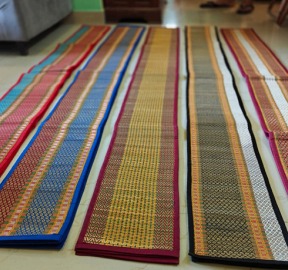
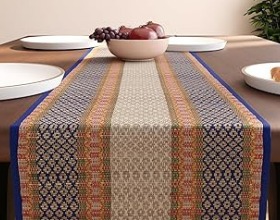
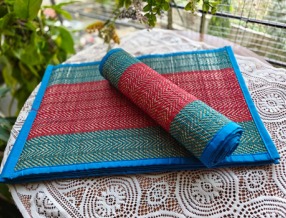
The weaving process
Reeds are harvested in season, dried, and sometimes dyed with natural colours. Weavers work on simple handlooms or frame looms, often at home. The weave is tight and even, creating a flat, durable surface. Larger mats can take days to complete. No machines are used — the rhythm is entirely human. You can read more in our story Madurkathi Weaving: Complete Process.
"When we weave, we think of the person who will use it. We want it to last and to bring peace."
Why choose madurkathi
Madurkathi mats are sustainable, culturally significant, and supportive of rural livelihood. When you choose a mat from House of Dhrti, you are supporting weaver communities and the preservation of this craft. Explore our madurkathi crafts for more home pieces, or contact us for custom sizes and bulk orders.