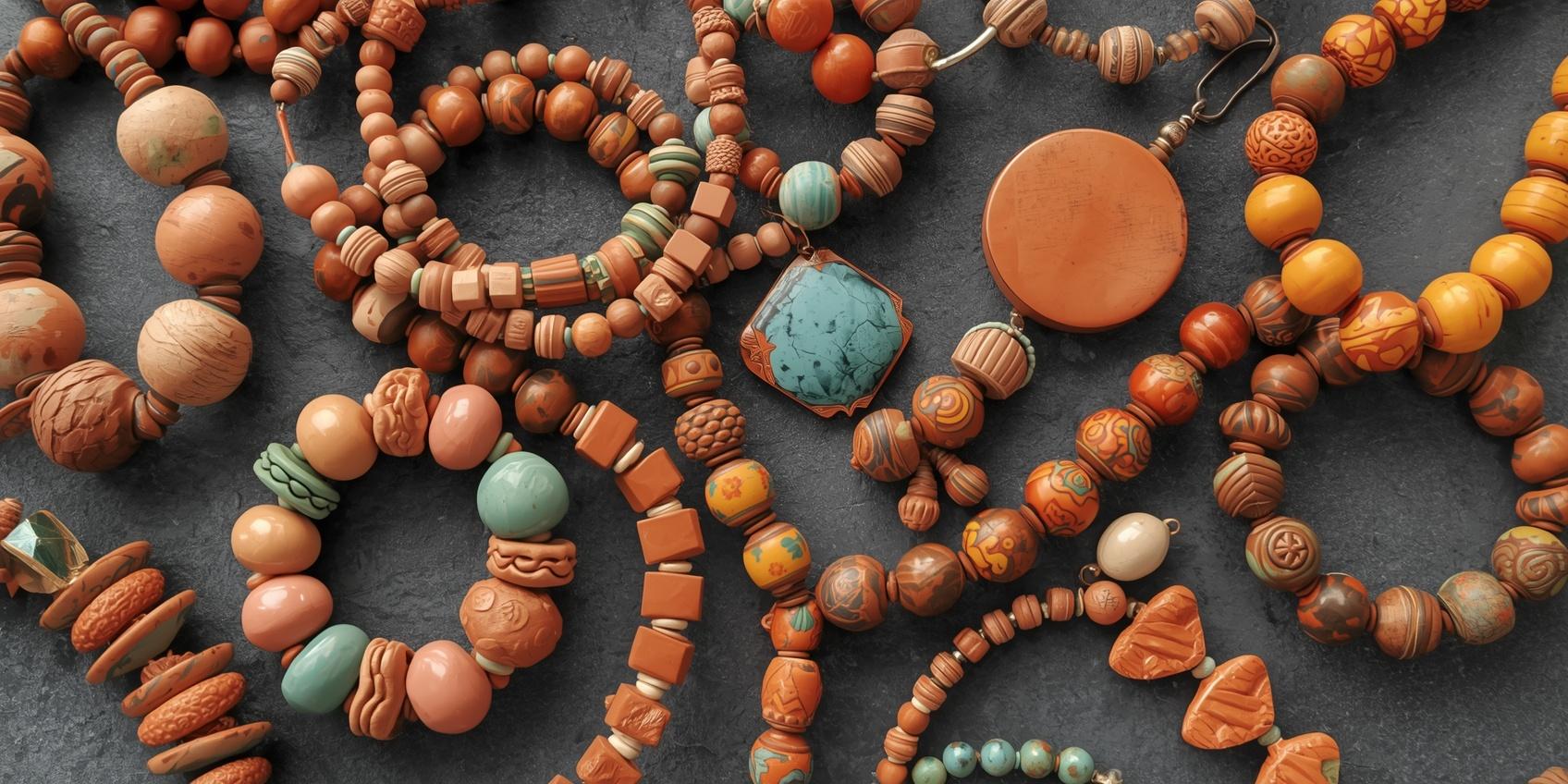
Earth, fire, and hand — terracotta jewellery from Eastern India carries the warmth of the land and the patience of the maker.
Cultural background
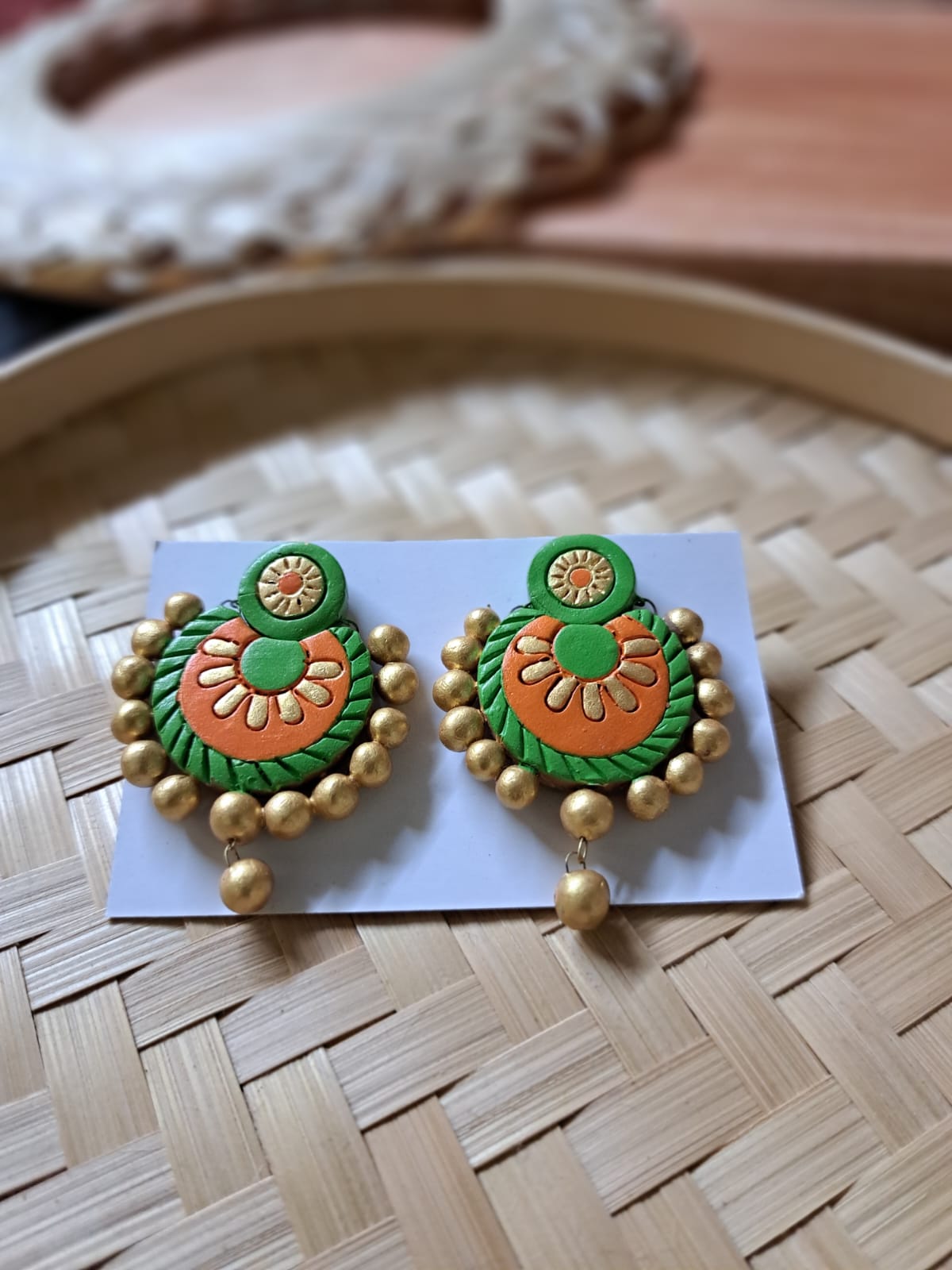
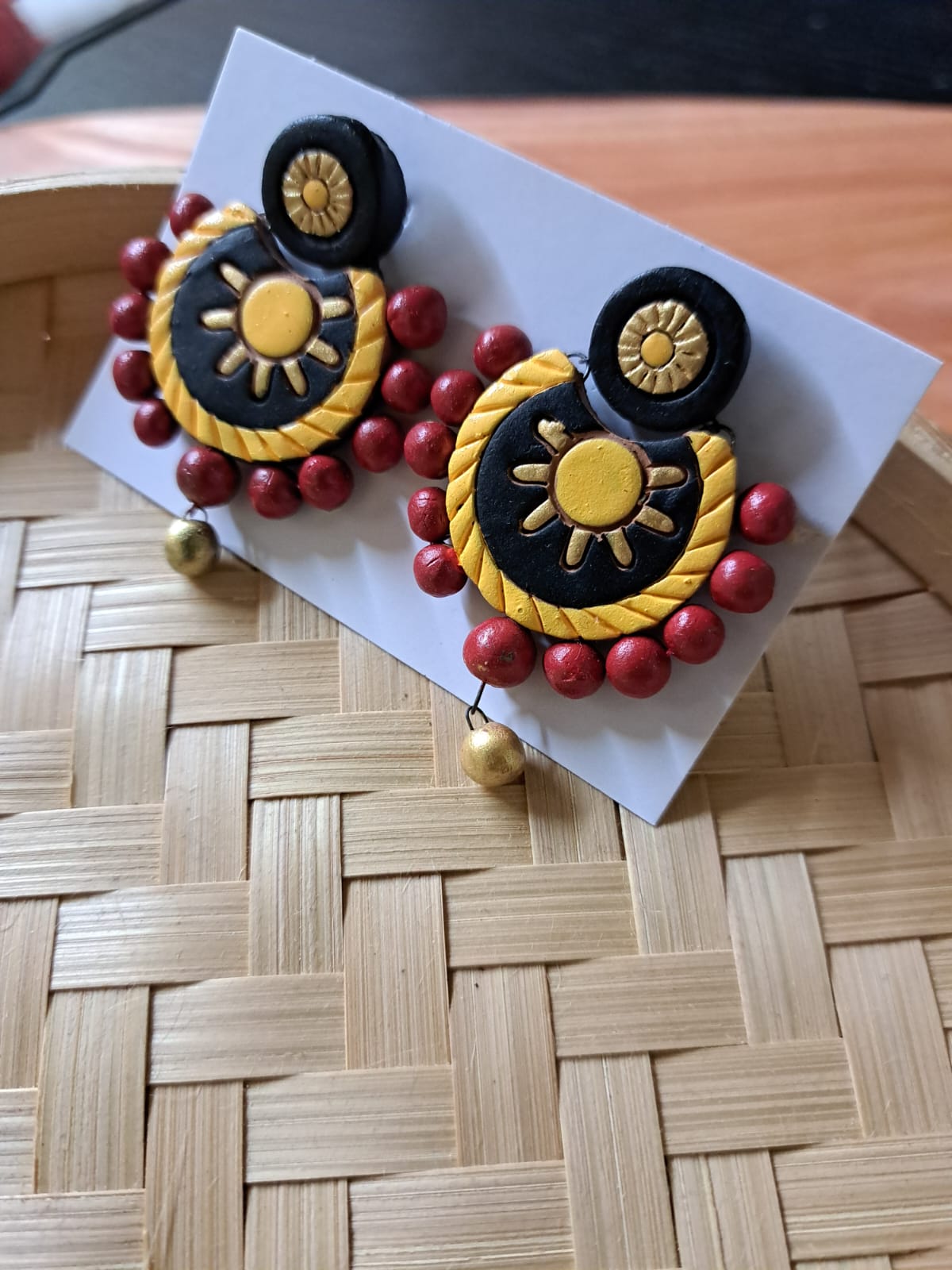
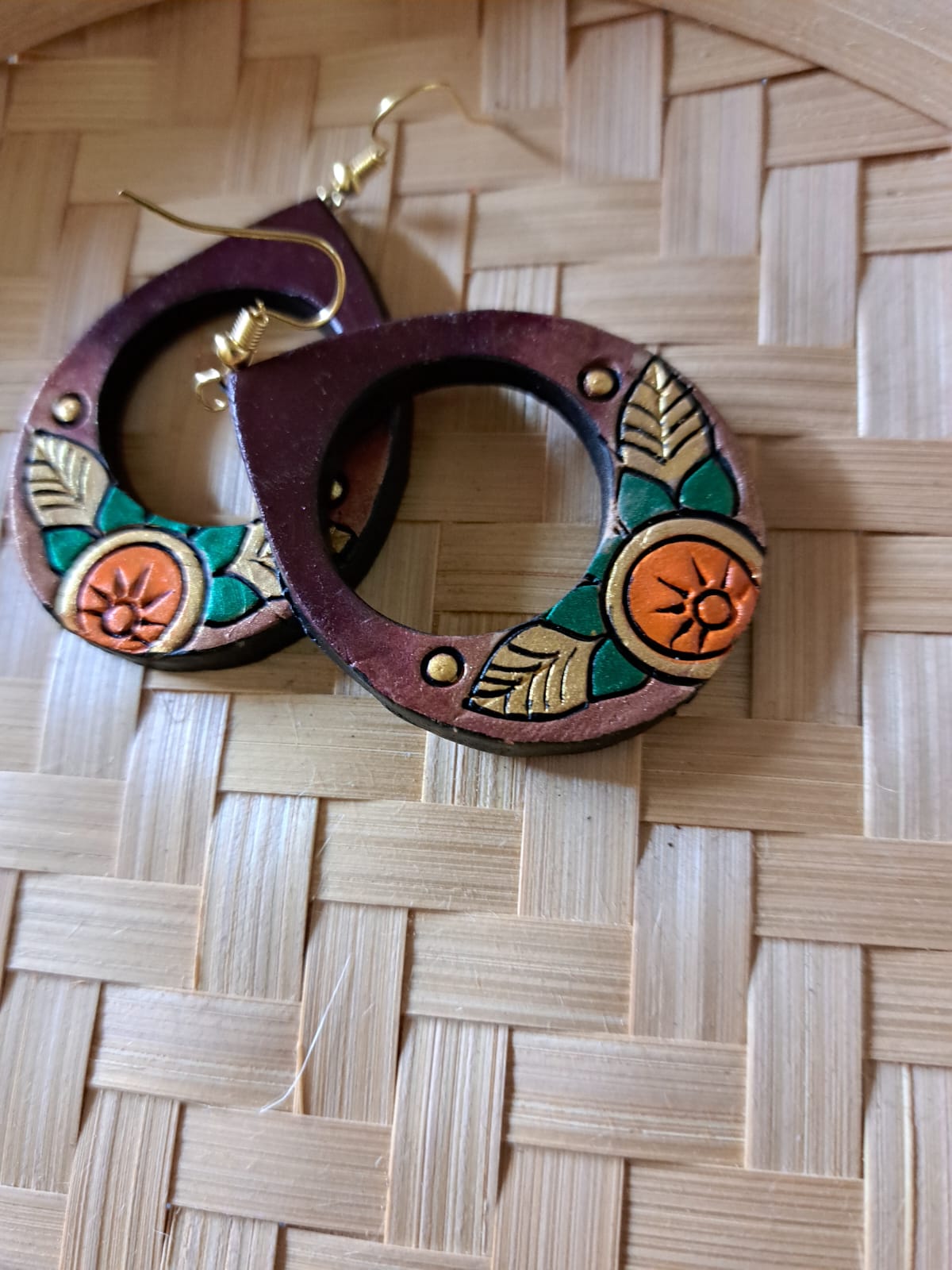
Terracotta jewellery has been part of Eastern India's folk culture for centuries. Artisans shape local clay into beads, pendants, and earrings, then fire them in traditional kilns. The result is lightweight, durable, and deeply connected to the soil. Worn for ritual and everyday life, these pieces are now finding a new audience among those who value sustainable fashion and cultural storytelling. Every piece we offer is made by families we work with directly — no mass production, no compromise on technique.
Products
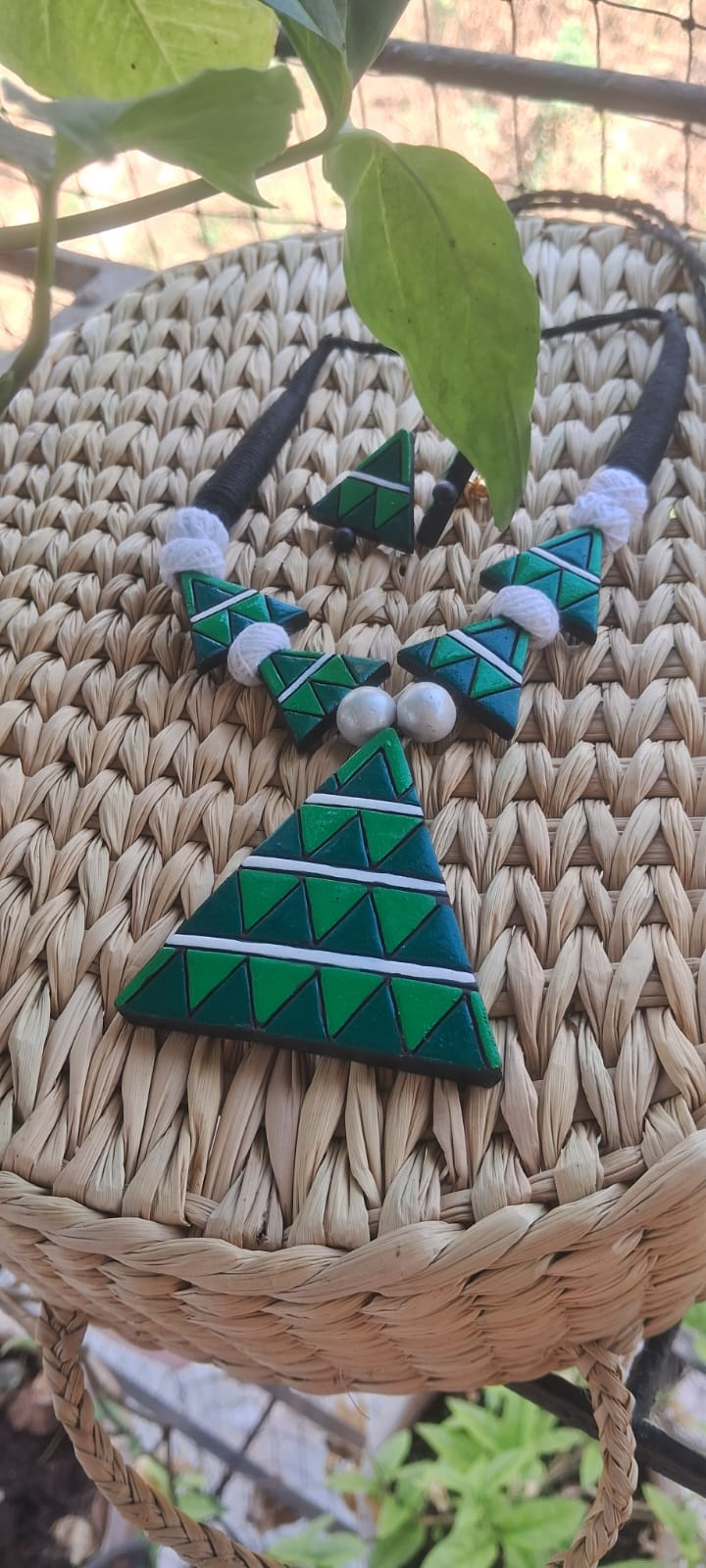
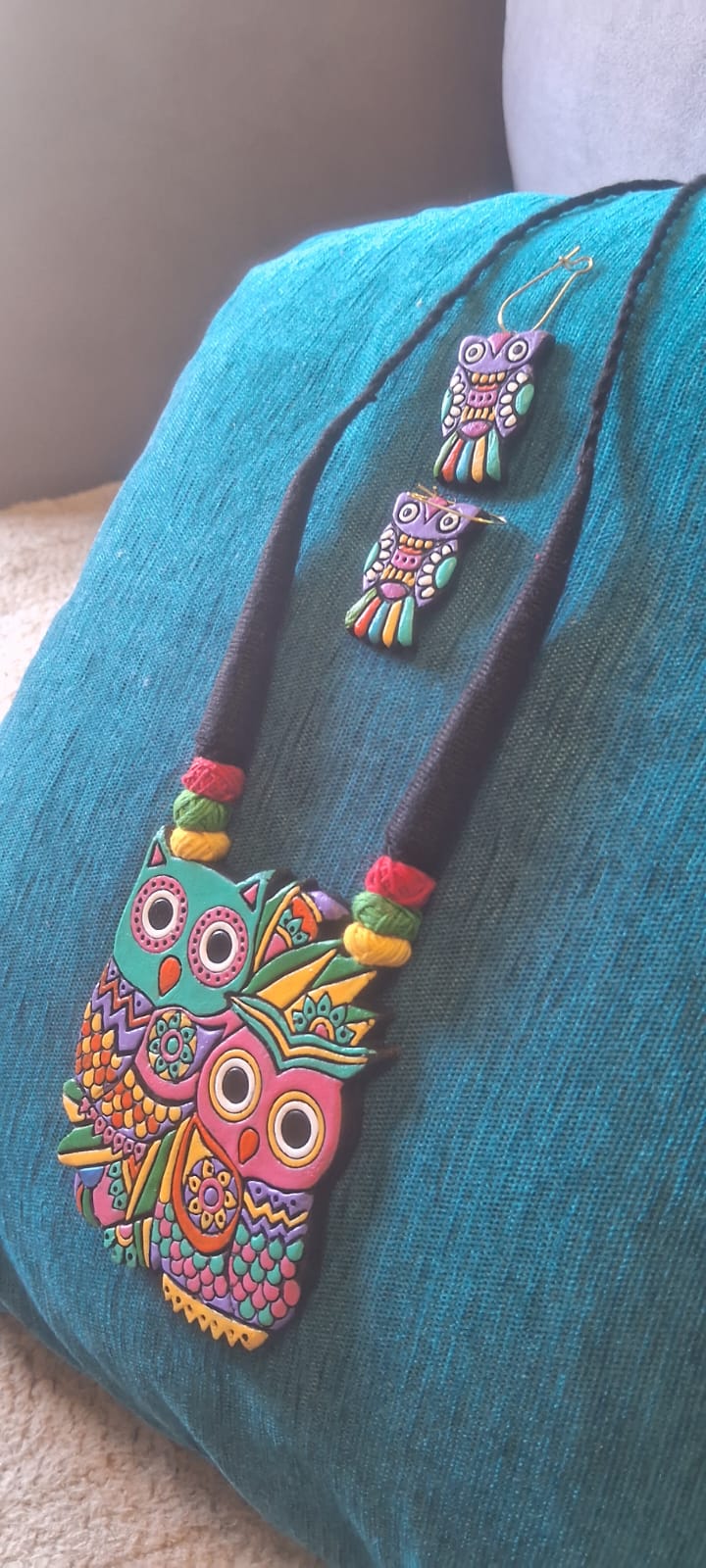
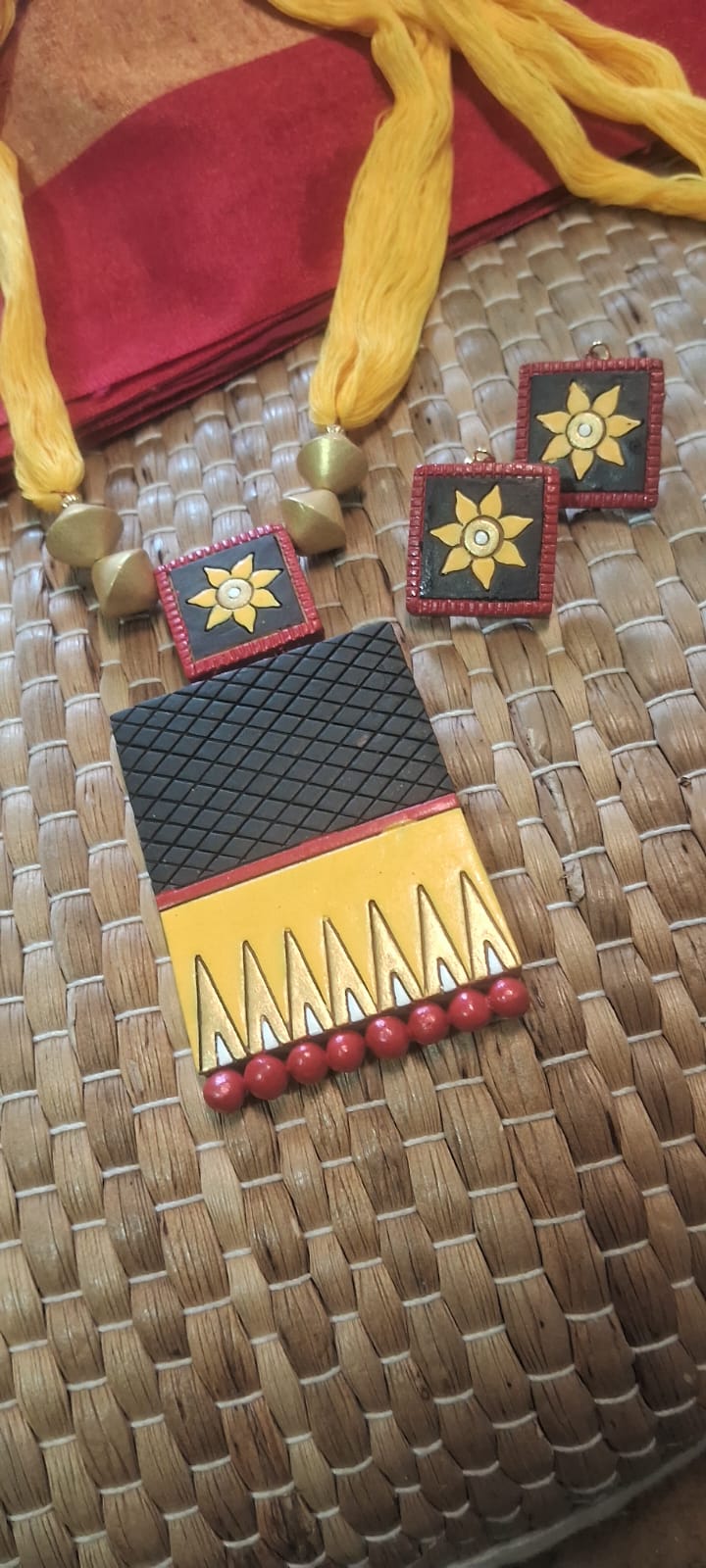
The making process
Clay is sourced locally, kneaded, and shaped by hand or with simple tools. Beads are pierced before drying; larger pieces are built in sections. After drying, pieces are fired in wood or coal kilns at controlled temperatures. The terracotta colour comes from the iron in the clay and the firing process — no synthetic dyes. Finally, pieces may be strung on cotton or thread by the same household. From start to finish, the process is slow, seasonal, and entirely human.
"We have been making terracotta jewellery the same way our grandmothers did. When orders come fairly, we can keep doing it — and teach our children."
Terracotta jewellery & sustainable fashion
Terracotta jewellery from Eastern India is naturally sustainable: it uses local, natural materials, minimal energy, and no chemicals. It is also part of India's living craft heritage. When you choose terracotta from House of Dhrti, you support artisan families and the continuation of a tradition that would otherwise be at risk. Explore our collections, read our stories, or get in touch for custom inquiries.