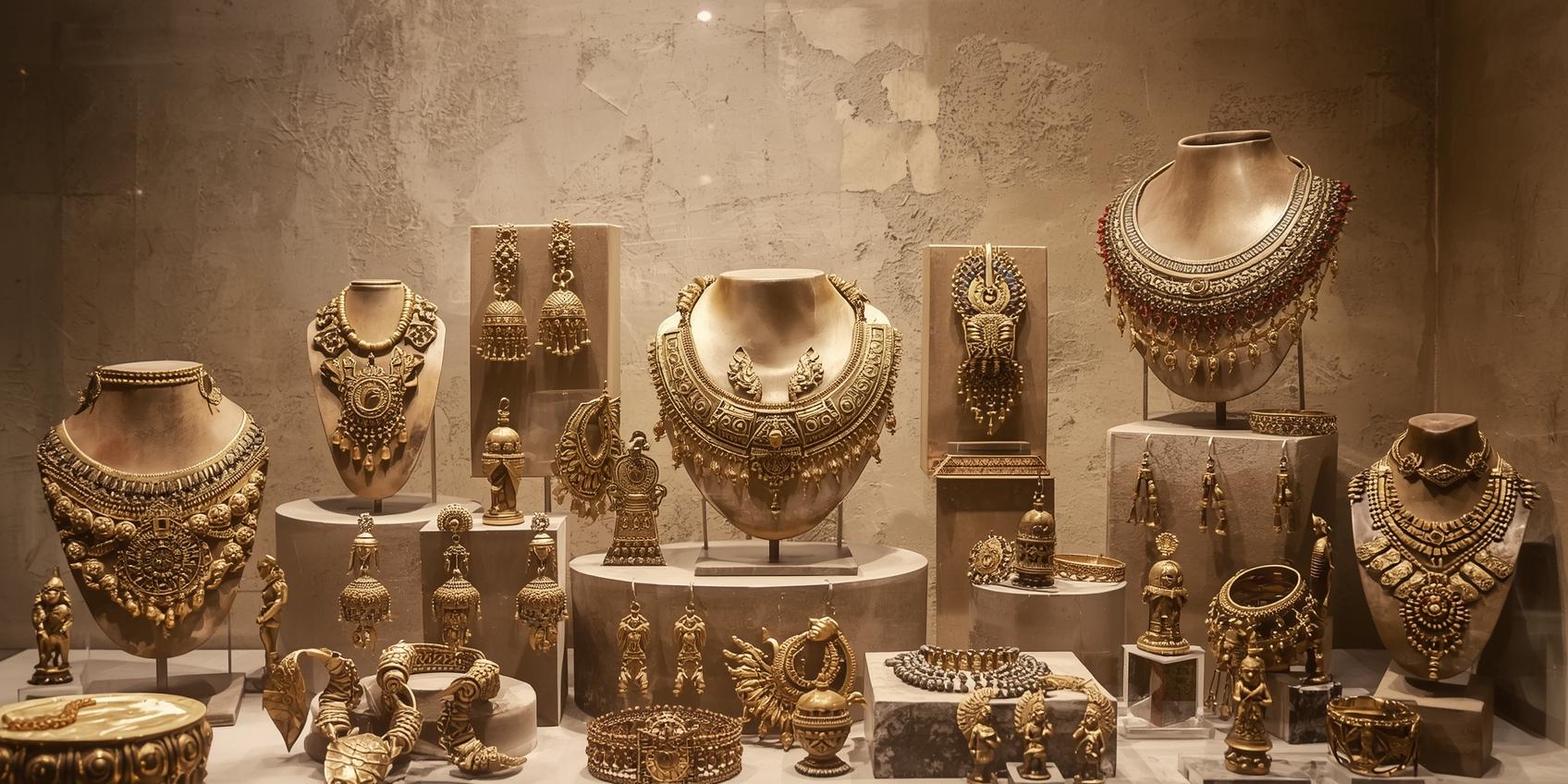
One of India's oldest metal-casting traditions — each piece born from wax, clay, and fire, by hand.
Cultural background
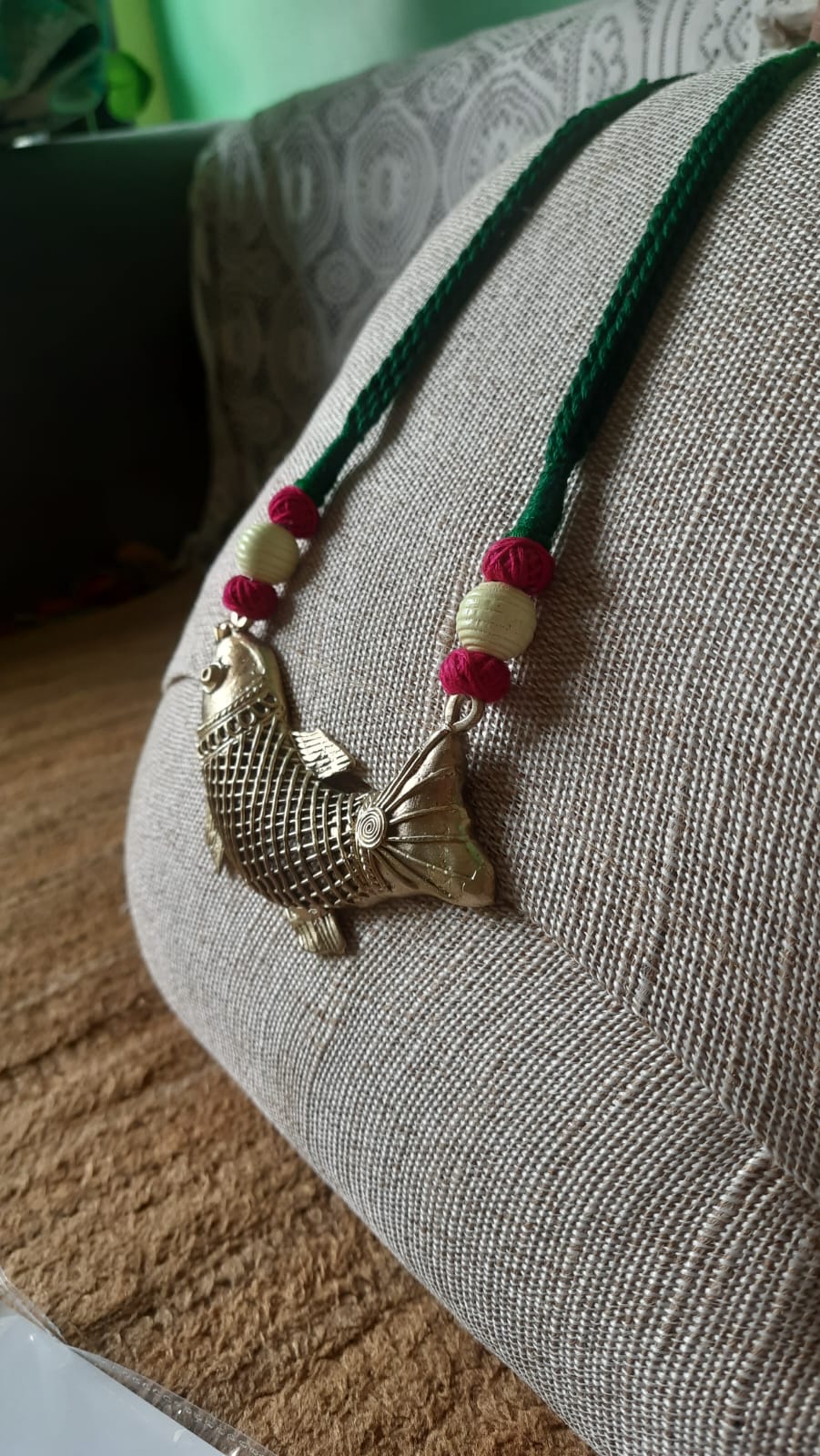
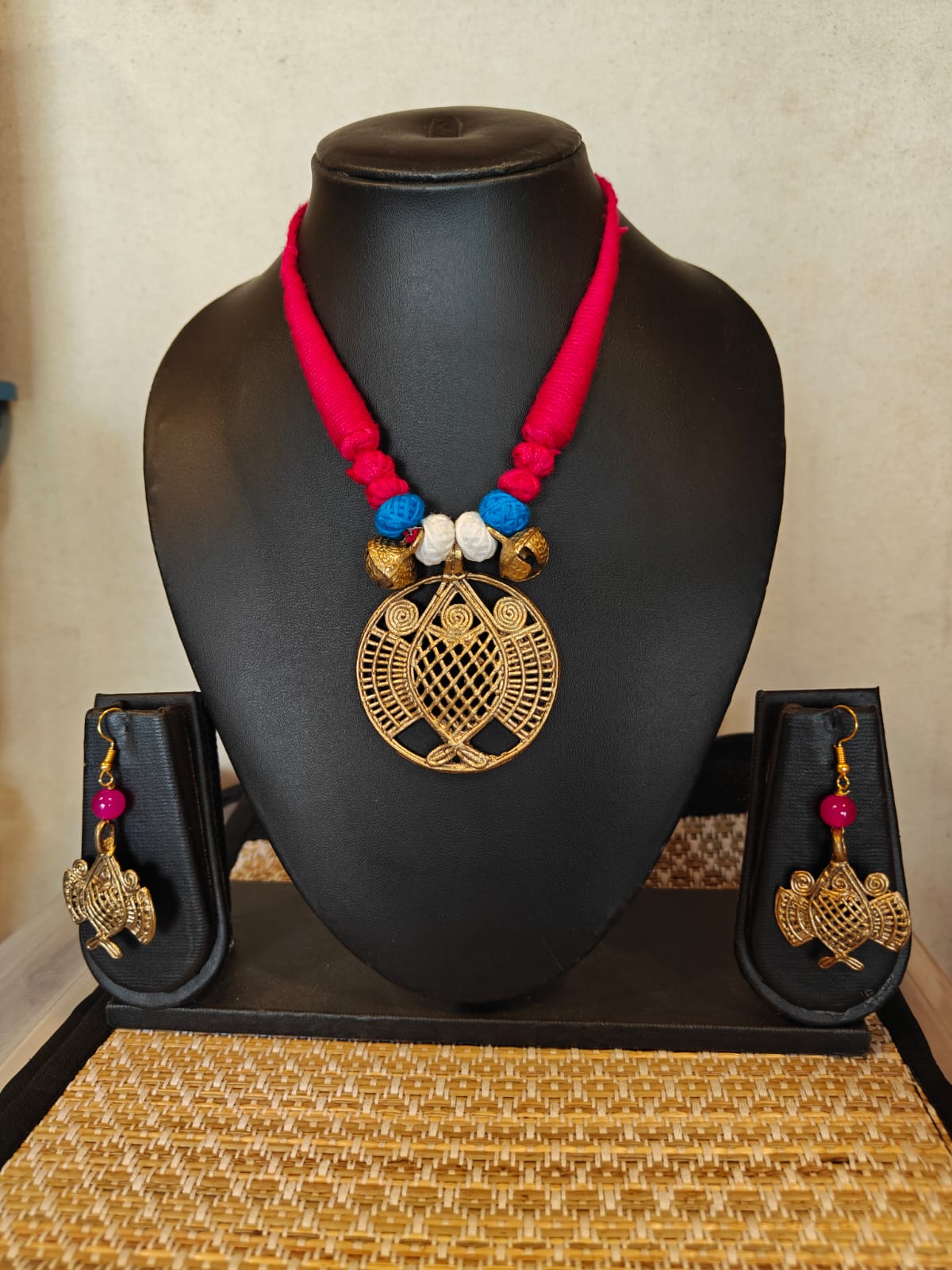
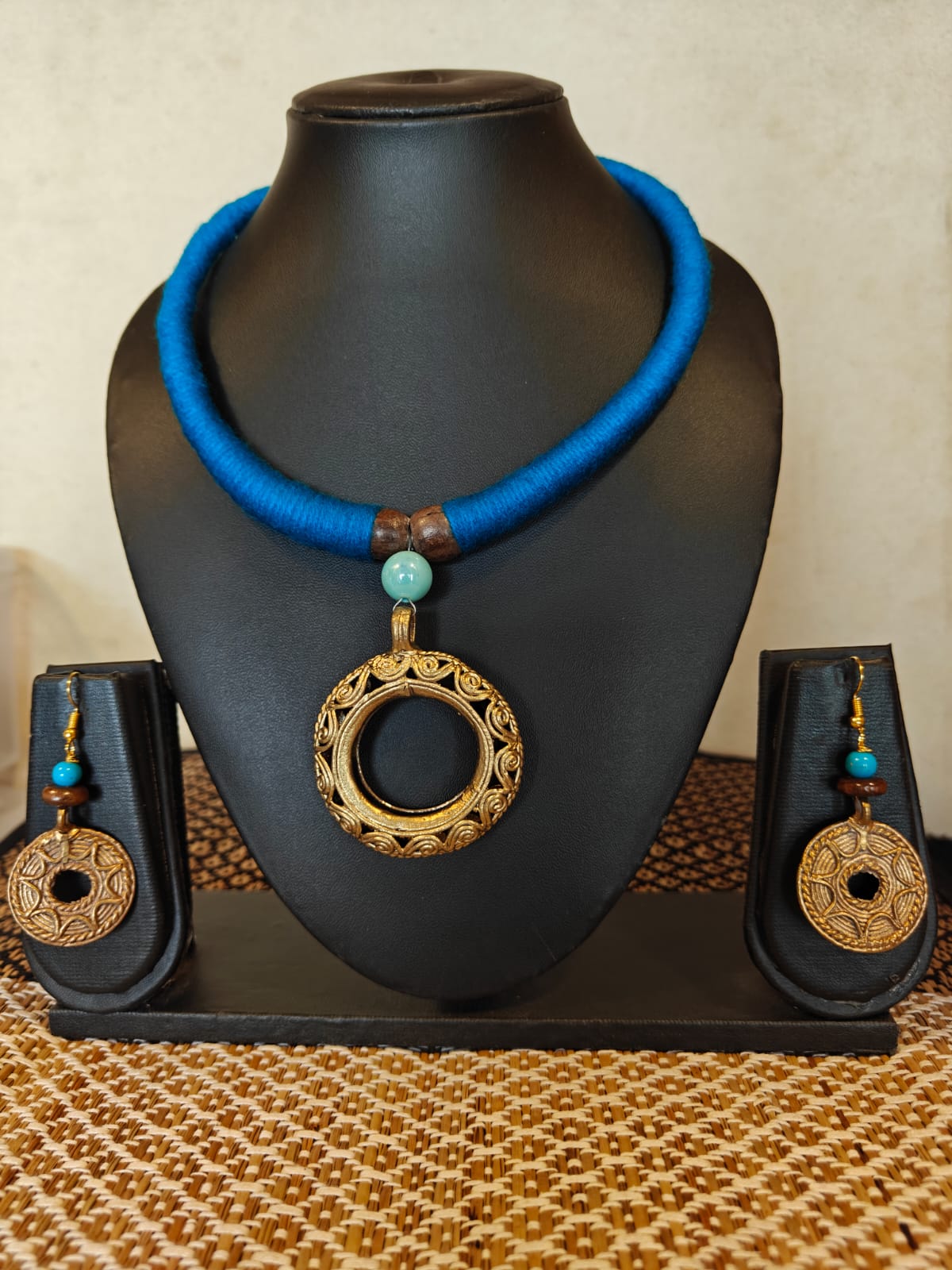
Dokra is a non-ferrous metal-casting technique practised by traditional communities across Eastern India. It uses the lost-wax (cire perdue) method: a wax model is covered in clay, fired so the wax melts away, and molten metal is poured into the cavity. The result is jewellery and ritual objects with a distinctive, earthy texture — no two pieces are identical. Dokra art has been dated back millennia and remains a living craft in cluster villages where families pass the skill down. House of Dhrti works with dokra artisans in Eastern India to bring these pieces to a global audience while ensuring fair pay and craft continuity.
Products
The making process
Artisans first shape the design in wax — by hand or with simple tools. The wax model is then coated in layers of clay and allowed to dry. The mould is heated so the wax melts and drains away. Molten metal (typically brass or bronze) is poured into the cavity. Once cooled, the outer mould is broken to reveal the rough casting, which is then cleaned, filed, and sometimes polished. The entire process is manual and time-consuming; it can take days for a single piece. That slowness is what gives dokra its soul.
"Dokra is not something you learn in a week. It is in our blood. We want the next generation to have a reason to stay and learn it."
Dokra art & heritage
Dokra art in India is recognised as a heritage craft, but artisan communities still struggle with market access and fair pricing. When you choose dokra jewellery from House of Dhrti, you support the survival of this tradition. Learn more in our story History of Dokra Art in India, explore our collections, or contact us for inquiries.