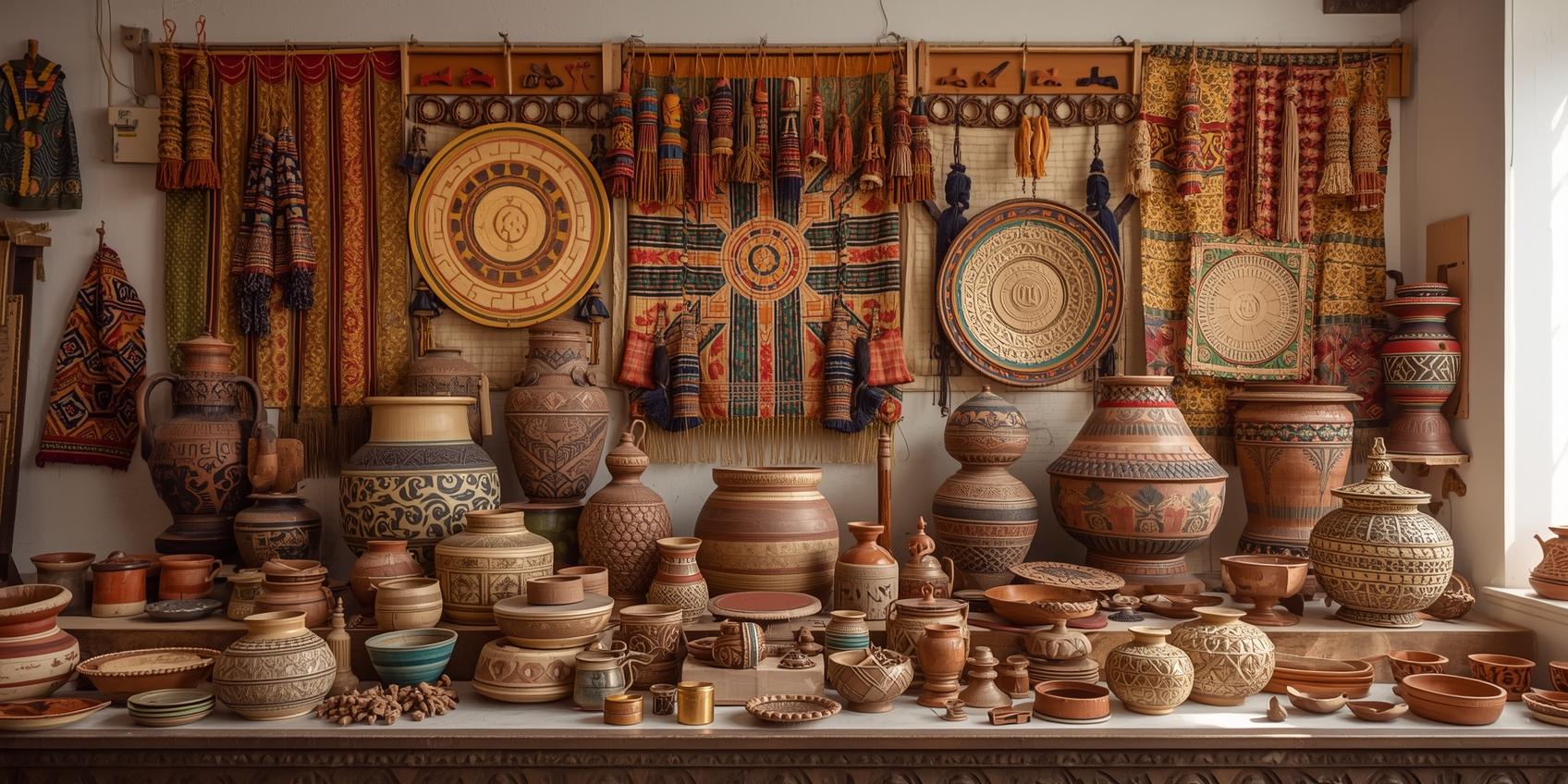
Eastern India is home to some of the country's most resilient craft traditions. Here we introduce the three pillars of House of Dhrti: terracotta, dokra, and madurkathi — and the communities that keep them alive.
Why Bengal and Odisha?
West Bengal and Odisha have long been centres of tribal and folk craft. The geography — wetlands, forests, river valleys — and history have shaped distinct craft clusters. Artisans here often belong to Scheduled Tribes or Other Traditional Forest Dwellers; their crafts are not hobbies but identity and livelihood. When we speak of "tribal crafts," we mean traditions that have been passed down within communities, often without formal institutional support, and that are now at risk from migration, market pressure, and the erosion of traditional knowledge. Our work at House of Dhrti is to create a bridge between these communities and a global audience that values authenticity and fairness.
Terracotta — earth and fire
Terracotta jewellery and ritual objects have been part of Bengali culture for centuries. Artisans in districts like Bankura, Birbhum, and Bardhaman shape local clay into beads, pendants, bangles, and figurines. The clay is kneaded, shaped by hand or with simple moulds, dried, and fired in traditional kilns. The colour comes from the iron in the clay and the firing process — no synthetic dyes. Terracotta is lightweight, durable, and deeply connected to the soil. It is also sustainable: natural material, low energy, and fully biodegradable. At House of Dhrti we work with terracotta jewellery makers who supply our terracotta collection. Every piece is traceable to Bengal and made by families we know.
Dokra — metal and myth
Dokra is non-ferrous metal casting using the lost-wax method. In Odisha and Bengal, tribal communities have practised it for thousands of years. Artisans create wax models, coat them in clay, fire the mould to melt the wax, and pour molten brass or bronze into the cavity. The result is jewellery and ritual objects with a distinctive, earthy texture. Dokra clusters in Odisha (Mayurbhanj, Keonjhar, Dhenkanal) and West Bengal (Bankura, Purulia) are the heart of this tradition. Motifs draw from nature, tribal belief, and local deities. Dokra is slow, entirely manual, and impossible to replicate industrially without losing its soul. We work with Odisha-based clusters for our dokra jewellery and support fair pay and craft continuity.
Madurkathi — reed and rhythm
Madurkathi is a reed that grows in the marshlands of Bengal and Bangladesh. Weavers harvest it, dry it, and weave it into mats, baskets, and home crafts. The craft is concentrated in Cooch Behar, Nadia, Murshidabad, and neighbouring districts. Madurkathi mats are used for sitting, sleeping, and prayer; they are naturally cooling and breathable. The weaving is done on simple looms at home — no machines, only hands. At House of Dhrti we offer madurkathi mats and madurkathi crafts (baskets, coasters, trays) from weaver families we partner with. Every piece supports the same communities and the same wetland ecosystem that gives us the reed.
Living heritage, not museum pieces
These crafts are not frozen in time. They evolve — in design, in market, in the hands of the next generation. The challenge is to ensure that evolution happens without loss of dignity, identity, or technique. When you buy from House of Dhrti, you are voting for that future: one where tribal craft is visible, valued, and sustained. We invite you to explore our collections, meet our artisans, and read more stories of craft and culture.